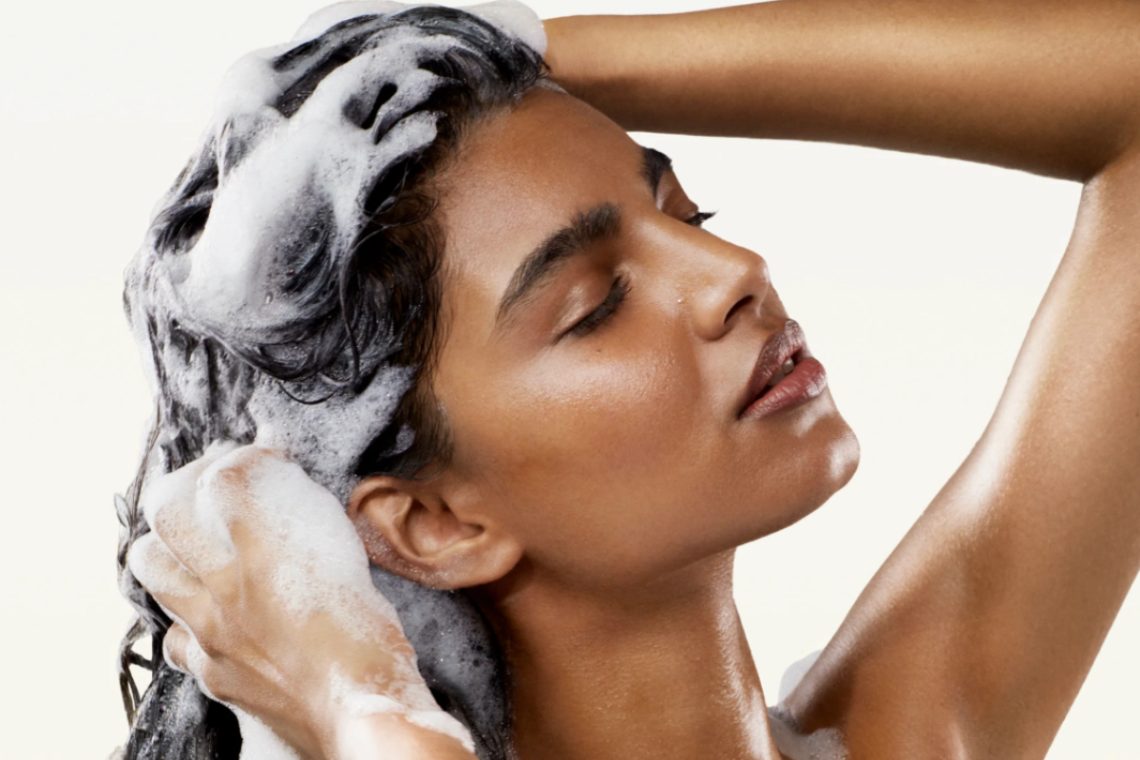
What is a Hair Detox
If you’ve ever scrolled through hair tutorials on social media or followed influencers sharing their beauty routines, you might have come across the term “what is hair detox.” For content creators, social media users, or anyone trying to maintain flawless hair on camera, understanding hair detox is more than a trend—it’s a way to keep strands looking fresh, healthy, and vibrant. Pollutants, styling products, and even natural oils can accumulate over time, leaving hair dull and difficult to manage. Knowing how and when to detox your hair can make all the difference in achieving that perfect, camera-ready shine.
A Quick Look at What You’ll Learn
Before diving deeper, here’s a brief summary of what this article covers. You’ll learn what a hair detox actually is, why it matters, and how it differs from regular hair washing. We’ll talk about the benefits, the right frequency for detox treatments, and the types of detox methods you can try at home or in the salon. Finally, we’ll provide tips to maintain your refreshed hair so you can enjoy long-lasting results.
Understanding What a Hair Detox Really Is
A hair detox is a process that cleanses your hair and scalp more deeply than a regular shampoo. It targets the buildup of oils, dirt, and residue from hair products. Many people use hair styling sprays, oils, serums, or heat styling tools daily. Over time, these can leave a layer of residue that regular shampoos can’t fully remove. A hair detox helps to clear this buildup, leaving your hair cleaner, lighter, and more receptive to nourishing treatments.
Detoxing your hair isn’t just about cleanliness. It also restores the natural balance of your scalp. When the scalp is clogged with product buildup or pollutants, hair growth can slow down, and strands can appear dull or lifeless. Detox treatments often include ingredients like clay, charcoal, or natural acids that gently remove residue while soothing the scalp.
Another key point about hair detox is that it can improve the effectiveness of your other hair care routines. When your hair is free of buildup, conditioners and treatments can penetrate better, giving you softer, shinier, and healthier hair over time.
Why Hair Detox Matters
Hair detoxing isn’t just a luxury; it’s a way to maintain scalp and hair health. Daily exposure to environmental pollutants, hard water, and styling products can slowly damage hair. Over time, your hair might feel heavy, greasy, or flat. A detox helps reverse these effects and gives your hair a fresh start.
Think of it like deep cleaning your home. Regular tidying keeps things neat, but sometimes you need to scrub surfaces to remove hidden dirt. Hair detox does the same for your strands, clearing impurities that regular washing can’t reach.
Hair detoxing can also improve your hair’s appearance immediately. People often notice smoother texture, better volume, and improved shine after a session. For those who color their hair, detoxing can remove excess residue that dulls color and prevents treatments from working effectively.
How Often Should You Detox Your Hair
The frequency of hair detox depends on your hair type, lifestyle, and the products you use. For people who style their hair daily or live in cities with high pollution, a monthly detox may be helpful. On the other hand, if you use minimal products or wash your hair less often, detoxing every few months may be enough.
It’s also important to listen to your hair. Signs like persistent greasiness, dullness, or scalp irritation may indicate it’s time for a detox. Overdoing it can strip natural oils, so a gentle approach is best. Some professional treatments may be more intensive, while at-home methods offer a milder cleanse suitable for frequent use.
Methods of Hair Detox
There are several ways to perform a hair detox, ranging from professional salon treatments to simple at-home methods.
Professional Hair Detox Treatments
Salons offer deep-cleansing treatments that use specialized shampoos, masks, and scalp therapies. These treatments often combine exfoliation and moisturizing steps to ensure your hair is clean without being stripped. A stylist can assess your hair type and choose the right products for your scalp’s needs.
At-Home Hair Detox
For a DIY approach, there are natural options that are gentle yet effective. Ingredients like apple cider vinegar, baking soda, and clay are popular choices. Apple cider vinegar rinses help remove buildup and restore your hair’s natural shine. Baking soda can exfoliate the scalp, but it should be used sparingly to avoid dryness. Clay masks, like bentonite or kaolin, absorb oils and impurities while soothing the scalp.
Another simple method involves alternating between clarifying and regular shampoos. Clarifying shampoos are stronger cleansers designed to remove product buildup, while regular shampoos maintain everyday cleanliness. Combining these approaches can create a balanced hair detox routine.
Benefits of a Hair Detox
Hair detox treatments offer several advantages beyond just cleanliness.
One of the most immediate benefits is improved manageability. Strands feel lighter and easier to style, reducing frizz and tangles. Detoxing also helps restore natural shine and volume, making hair appear healthier and more vibrant.
A detoxed scalp encourages better hair growth. When buildup is removed, follicles are freer to absorb nutrients from your diet and hair care products. This can lead to stronger, more resilient strands over time.
For those who color or highlight their hair, detoxing can also help maintain color vibrancy. Residue from styling products can dull color treatments, and a clean scalp allows color to look more vivid and last longer.
Finally, hair detoxing supports overall scalp health. It can reduce itching, flakiness, and excess oil, creating a healthier environment for hair growth.
Potential Risks and Considerations
While hair detox can be highly beneficial, it’s important to approach it carefully. Overuse of harsh detox products can strip natural oils, leaving hair dry or brittle. People with sensitive scalps may experience irritation if strong chemicals are used.
Choosing the right method is essential. Professional treatments tend to be safer for frequent use because they’re formulated to balance cleansing with nourishment. At-home treatments should be gentle, and ingredients like baking soda should be used in moderation.
It’s also important to follow up detox treatments with conditioning. Detox removes buildup, but it can also reduce some natural moisture. Using a lightweight conditioner or hydrating mask after a detox ensures hair stays soft, shiny, and manageable.
Maintaining Detoxed Hair
Once your hair has been detoxed, maintaining the results is key. Regular washes with gentle shampoos, minimal use of heavy styling products, and periodic scalp care can prolong the benefits of a detox. Incorporating a nourishing hair mask weekly or bi-weekly keeps strands hydrated and protected.
Adjusting your hair care routine based on seasonal changes can also help. For example, during humid summers, lighter products prevent greasiness, while in dry winters, richer treatments help prevent breakage. Paying attention to how your hair responds over time ensures that you’re not over- or under-detoxing.
A healthy diet and hydration also play a role. Hair benefits from a scalp and body that are well-nourished, so consider incorporating foods rich in vitamins and minerals that support hair growth and shine.
Why You Should Consider a Hair Detox
Understanding what hair detox is opens the door to better hair care. It’s more than a trend; it’s a method to restore vitality, clarity, and balance to your scalp and strands. Detoxing allows your hair to respond better to treatments, reduces the effects of environmental stress, and leaves your hair looking fresh and manageable.
Whether you choose a professional treatment or a gentle at-home method, a hair detox can be a game-changer for those struggling with buildup, dullness, or scalp issues. By incorporating detox into your hair care routine wisely, you can enjoy healthy, vibrant hair consistently.


You May Also Like
How BMI Can Affect Hair Growth and Thickness

How to Decide When to Wash Your Hair