What is PRP Therapy For Hair
If you’ve been noticing thinning hair or a receding hairline, you might have come across the term PRP therapy for hair. This treatment has gained attention for its potential to stimulate hair growth and improve scalp health using your body’s own natural resources. People who care about maintaining healthy hair or reversing hair loss are increasingly curious about how PRP therapy works and whether it could be the right solution for them.
Before diving into the details, it helps to get a quick idea of what the treatment involves, its benefits, and what to expect during the process. Understanding these basics will help you make a more informed decision about whether PRP scalp therapy fits your needs and goals.
Quick Insights Before You Begin
PRP therapy for hair has become a popular option for people looking to improve hair thickness and scalp health. It uses the body’s own platelets to stimulate hair growth in a natural and minimally invasive way.
- PRP therapy for hair uses concentrated platelets from your blood to encourage hair follicle activity.
- The treatment usually involves multiple sessions for the best results.
- Many patients notice gradual improvements in hair density, strength, and texture over time.
How PRP Therapy For Hair Works
PRP therapy for hair relies on the regenerative properties of platelets. Your blood contains red cells, white cells, and platelets. Platelets are tiny cells that play a key role in healing and tissue growth. In PRP therapy, doctors isolate these platelets and create a concentrated solution that can encourage the scalp to rejuvenate itself.
When injected into areas of hair thinning, the growth factors in PRP stimulate dormant hair follicles. This process can lead to new hair growth and thicker hair over time. Think of it as giving your scalp a nutrient boost, helping your hair recover and thrive.
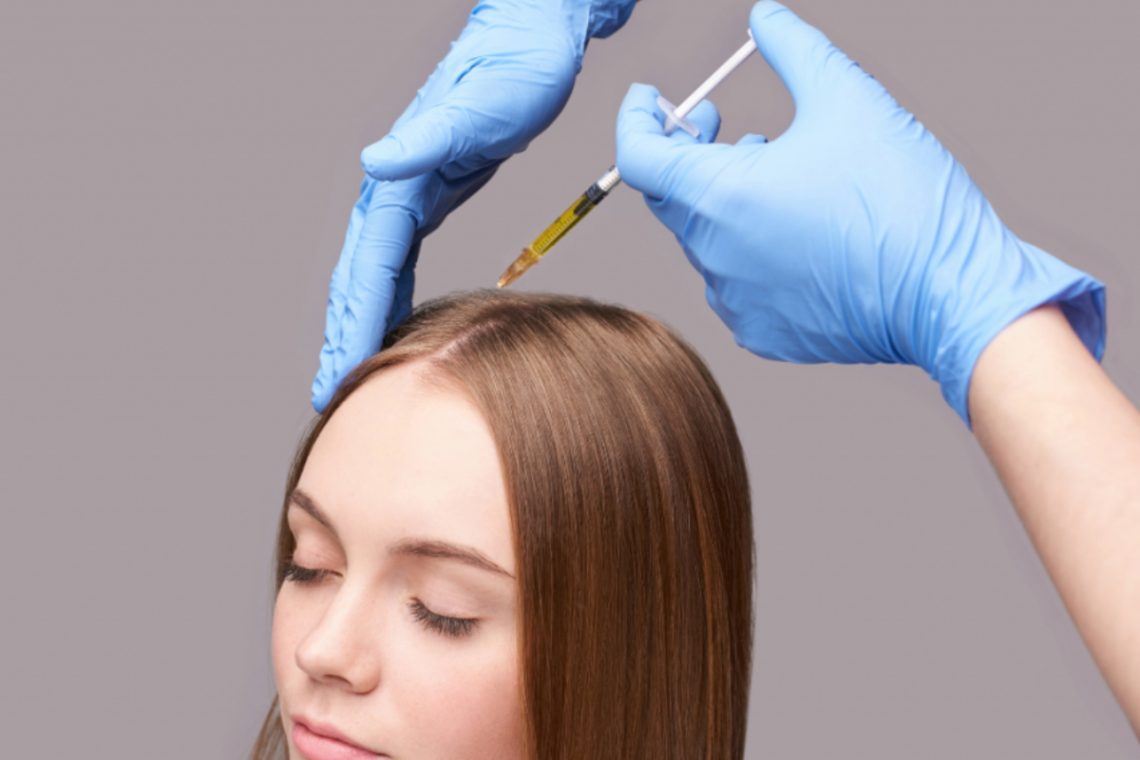
The process is straightforward. After drawing a small amount of blood, it is spun in a centrifuge to separate the platelets. The resulting plasma is then injected into the scalp using fine needles. Many people describe mild discomfort similar to tiny pinpricks during the injections.
Who Can Benefit From PRP Therapy For Hair
Not everyone experiencing hair loss is a perfect candidate for PRP therapy. The treatment tends to work best for individuals with early-stage hair thinning or thinning caused by hormonal imbalances. Men and women with genetic hair loss, known as androgenetic alopecia, often see significant improvements.
PRP therapy can also help people recovering from hair loss due to stress, illness, or scalp injuries. It is less effective for individuals who have completely bald areas because the follicles may no longer be active. Consulting with a trained hair specialist can help determine whether PRP therapy for hair is suitable for your specific situation.
Many patients combine PRP therapy with other hair treatments, like topical minoxidil or gentle hair care routines, to maximize results. A personalized approach ensures better outcomes and a healthier scalp overall.
The Process and What to Expect During PRP Therapy
Understanding the process can ease anxiety for first-time patients. A typical PRP therapy session begins with a blood draw, usually about the same amount needed for routine lab tests. After processing the blood to concentrate the platelets, the specialist injects the PRP into the areas of the scalp that need attention.
The procedure usually takes less than an hour. Patients may experience mild discomfort at the injection sites, but numbing creams are often applied to reduce pain. After the session, most people can return to their daily activities immediately.
It’s normal to see some redness or mild swelling on the scalp after treatment, which usually resolves within a day or two. The full benefits typically become noticeable after several weeks, as the hair follicles gradually respond to the growth factors in the plasma.
Benefits of PRP Therapy For Hair
PRP therapy for hair offers several advantages over other hair restoration methods. One of the main benefits is that it uses your own blood, reducing the risk of allergic reactions or infections. The treatment is minimally invasive, requiring no surgery or long recovery times.
Patients often report thicker hair, improved hair density, and stronger strands after a series of treatments. Unlike topical treatments that need daily application, PRP therapy works at the follicle level, targeting the root of the problem.
Another advantage is that PRP can be combined with other hair care treatments. Using it alongside gentle scalp massages, a healthy diet, and quality hair products can amplify results. Many patients also appreciate the natural appearance of hair growth after PRP therapy.
Possible Side Effects and Considerations
While PRP therapy for hair is generally safe, some patients may experience minor side effects. Common reactions include mild redness, swelling, or tenderness at the injection site. These symptoms usually resolve within a day or two without intervention.
It’s also important to note that results vary from person to person. Factors like age, hair type, and the underlying cause of hair loss can influence how well the treatment works. Multiple sessions are usually required, and patience is key to seeing noticeable improvements.
People with certain medical conditions, such as severe anemia or platelet disorders, should consult their healthcare provider before undergoing PRP therapy. A thorough evaluation ensures the treatment is both safe and effective for each individual.
How to Prepare for PRP Therapy For Hair
Preparing for PRP therapy can improve your experience and results. Avoiding blood-thinning medications, like aspirin or anti-inflammatory drugs, before your session is often recommended, as they can affect platelet function.
Maintaining a healthy lifestyle, including proper nutrition and hydration, can support hair growth and overall scalp health. Patients are usually advised to avoid alcohol and smoking for at least a few days before the procedure.
Discuss any medications or supplements with your doctor, as some may need to be paused. Understanding the preparation steps ensures the procedure goes smoothly and helps optimize the benefits of PRP therapy for hair.
Aftercare and Maintenance
After PRP scalp therapy, caring for your scalp properly can enhance results. Gentle washing and avoiding harsh chemicals or heat styling for a few days are usually recommended. Patients should also avoid excessive sun exposure and strenuous exercise immediately following treatment.
Most people undergo multiple sessions, typically spaced four to six weeks apart. Regular follow-ups with your hair specialist can help track progress and make adjustments if necessary. Combining PRP therapy with healthy hair practices, like proper brushing and conditioning, helps maintain the improvements long-term.
Patience is important. Hair growth is gradual, and results usually become noticeable after three to six months. Staying consistent with follow-ups and care routines ensures the best outcome.
Real Experiences With PRP Therapy For Hair
Many patients share positive experiences with PRP therapy. Some notice subtle thickening of hair after the first couple of sessions, while others see significant improvements after a few months. One patient described feeling more confident as her part became fuller and her hairline appeared stronger.
Men experiencing early-stage hair loss often report reduced shedding and increased hair density. Women with thinning hair notice that strands feel stronger and healthier, which can improve styling options and overall confidence.
Hearing about real experiences helps new patients set realistic expectations and feel more comfortable trying the treatment themselves.
Tips for Maximizing Results From PRP Therapy
For the best outcome, consistency and proper hair care are key. Following the treatment plan suggested by your hair specialist is essential. Combining PRP therapy with a nourishing diet, scalp massages, and gentle hair products can further support follicle health.
Avoiding harsh chemical treatments, like bleaching or perming, during the therapy period can help prevent scalp irritation. Maintaining a stress-reducing routine and staying hydrated also contributes to healthier hair growth.
Every person responds differently, so staying patient and following professional guidance ensures the most satisfying results from PRP therapy for hair.
Achieving Your Best Hair Through PRP Therapy
PRP scalp therapy offers a promising option for people experiencing thinning hair or early hair loss. By harnessing your body’s natural growth factors, this treatment stimulates dormant follicles and improves hair density over time.
The procedure is minimally invasive, safe, and can be tailored to each individual’s needs. With proper preparation, multiple sessions, and ongoing hair care, many patients see significant improvements that boost both appearance and confidence.
Consulting a qualified hair specialist is the first step to understanding whether PRP therapy fits your goals. For those seeking a natural and targeted solution, PRP therapy for hair can be a valuable part of a healthier hair routine.


You May Also Like
Protein vs. Moisture Treatments for Your Hair
A Guide to Keratin Treatments