Do At-Home LED Therapy Devices For Hair Work
LED hair therapy devices have been gaining attention in recent years as a non-invasive option for people looking to improve hair growth and scalp health at home. With social media full of before-and-after videos and glowing reviews, it’s natural to wonder if these devices really deliver the results they promise. For those who want thicker, healthier hair without frequent salon visits, understanding how these devices work and what to expect is essential.
Quick Look at What This Article Covers
This article will examine how LED hair therapy devices work, the science behind them, and whether at-home devices can match professional treatments. It will also cover safety, usage tips, and realistic expectations, helping you decide if this hair care trend is right for you. By the end, you’ll have a clear idea of what to expect from these devices and how they might fit into your hair care routine.
Why People Are Trying LED Hair Therapy Devices at Home
LED hair therapy devices use low-level light to stimulate hair follicles, a process known as photobiomodulation. This technique has been widely studied in clinical settings, and now, at-home versions make it possible for anyone to try. People turn to these devices for a variety of reasons: thinning hair due to stress, age, or genetics, slow hair growth, or even to maintain healthy scalp conditions.
At-home devices offer the convenience of fitting into your daily routine. Instead of booking appointments and committing to long-term clinic visits, you can spend a few minutes each day on treatments in the comfort of your own home. However, convenience doesn’t always guarantee effectiveness, which is why understanding their mechanics is crucial.
How LED Hair Therapy Devices Work
LED hair therapy devices work by emitting red or near-infrared light that penetrates the scalp. This light stimulates the cells in hair follicles, boosting energy production and encouraging hair growth. Over time, the hair may appear thicker, stronger, and healthier.
For many users, the most noticeable change is improved scalp health. Some people experience less dryness, reduced flakiness, and better circulation in the scalp. A well-nourished scalp provides a stronger foundation for hair growth, which is why even small improvements can make a visible difference.
These devices are designed to be gentle and non-invasive. Unlike other treatments that involve chemicals or heat, LED hair therapy devices work with light energy, reducing the risk of irritation or damage. While results can vary from person to person, the approach is generally considered safe for regular use.
The Science Behind LED Hair Therapy Devices
Research on low-level light therapy has been ongoing for decades. Clinical studies suggest that red and near-infrared light can stimulate mitochondrial activity in cells. Mitochondria are often referred to as the cell’s “powerhouse,” and when they function optimally, the hair follicle receives more energy to grow stronger hair.
One study showed that participants using LED therapy for several months experienced noticeable hair density improvements. The devices also support the anagen phase, which is the growth stage of hair, potentially leading to longer and thicker strands over time. While results are not immediate, consistent use tends to show cumulative benefits.
It’s important to remember that LED hair therapy devices are not a miracle solution. Genetics, hormonal factors, and overall health still play a major role in hair growth. The therapy works best when used as a complement to a balanced diet, a gentle hair care routine, and a healthy lifestyle.
Types of At-Home LED Hair Therapy Devices
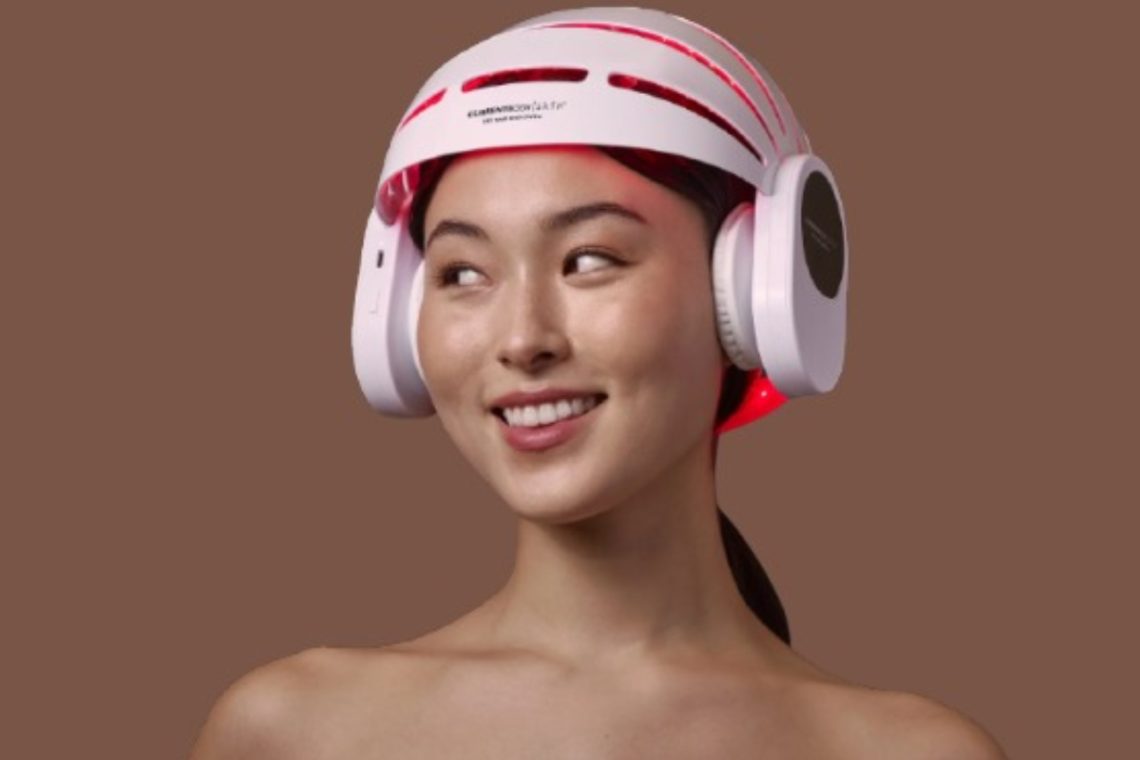
At-home devices come in various forms, including helmets, combs, and caps. Each design aims to provide uniform light exposure to the scalp while making it easy to use regularly. Helmets often cover the entire scalp and allow for hands-free sessions, while combs target specific areas with concentrated light.
The choice of device depends on your lifestyle and hair care goals. A helmet may be ideal for someone seeking full coverage and minimal effort, while a comb allows precise treatment for thinning spots. Regardless of the type, most devices require 15 to 30 minutes per session, several times a week.
Quality varies between devices. It’s helpful to look for products with clinically validated wavelengths and a reputation for reliability. Some devices also come with adjustable intensity settings, which can help customize the treatment according to your scalp sensitivity.
Realistic Expectations From LED Hair Therapy Devices
When considering LED hair therapy devices, managing expectations is key. Unlike hair transplants or medical treatments, at-home LED therapy works gradually. Visible improvements typically appear after a few months of consistent use. Some users notice a reduction in hair shedding first, followed by thicker regrowth.
It’s common for users to feel a bit impatient during the early weeks of treatment. Results can be subtle, and success often depends on consistency. Combining LED therapy with a proper hair care routine, including gentle shampoos, nourishing conditioners, and regular scalp massages, can improve outcomes.
Additionally, LED therapy is most effective for those experiencing early-stage thinning. People with advanced hair loss may see limited results, but even in such cases, devices can help maintain the health of existing hair.
Safety and Side Effects
One of the reasons LED hair therapy devices are popular is their safety profile. Red and near-infrared light used in these devices is generally considered safe for regular use. Unlike chemical treatments, there is minimal risk of scalp irritation or hair damage.
Mild side effects, such as temporary scalp warmth or tingling, may occur but are usually short-lived. Users with photosensitive conditions or who are taking photosensitive medications should consult a doctor before using the devices. Pregnant individuals may also want to check with a healthcare professional to ensure safety.
Following the manufacturer’s instructions is essential. Overuse or prolonged exposure beyond recommended limits is not advised, even though these devices are low-intensity. Consistency, rather than intensity, is what drives results.
Tips for Using LED Hair Therapy Devices Effectively
To get the most out of your device, it helps to establish a routine. Aim for consistent sessions, ideally on the same days each week, to create a habit. This ensures your hair follicles receive regular stimulation, which is key to seeing progress.
Cleaning the device according to the instructions keeps it hygienic and ensures even light distribution. Positioning the device correctly over thinning areas or covering the entire scalp is important for uniform exposure. Some devices include built-in timers to help track treatment duration, which removes the guesswork from each session.
Pairing LED therapy with supportive habits can enhance results. Maintaining a nutrient-rich diet, reducing stress, and avoiding harsh heat styling give hair a better chance to respond positively to treatment. Remember, patience is crucial, as significant changes may take several months to appear.
When LED Hair Therapy Devices Might Not Be Enough
It’s worth noting that while LED hair therapy devices offer benefits, they are not a universal solution. Severe hair loss caused by genetics, autoimmune conditions, or hormonal imbalances may require professional intervention. In such cases, combining LED therapy with medical treatments under guidance from a dermatologist could be more effective.
Some people may also find that their hair responds slowly or minimally to LED treatments. Individual variability is normal, and success often depends on early adoption and consistent use. Managing expectations ensures that users approach the therapy with patience rather than frustration.
Making the Most of Your LED Hair Therapy Device
Integrating an LED hair therapy device into your routine doesn’t need to be complicated. Setting aside 15 to 30 minutes for a session a few times a week is sufficient for most devices. Pairing this with a regular hair care routine, scalp massage, and healthy lifestyle habits can improve the overall condition of your hair.
Many users report that the combination of LED therapy and supportive care makes hair look shinier, fuller, and healthier over time. Even small improvements in scalp health can make a noticeable difference in the appearance of hair.
A Balanced View on At-Home Hair Therapy
LED hair therapy devices offer a convenient, gentle way to support hair growth and scalp health. For those looking to maintain existing hair or address early-stage thinning, they can be a useful tool. Results require patience, regular use, and realistic expectations, but many users find that even modest improvements make a difference in confidence and overall hair health.
At-home devices allow you to take control of your hair care without frequent salon visits. By understanding how they work, following safe usage practices, and integrating them into a healthy routine, you can give your hair the attention it deserves. With consistent care, these devices have the potential to be a valuable part of your hair care regimen for years to come.

You May Also Like
How Often You Should Use a Hair Mask
How to Choose a Hair Dye for Your Skin Tone