What is Scalp Microneedling
Scalp microneedling has gained attention as a modern technique to boost hair health and stimulate growth. Whether you are struggling with thinning hair, looking to improve hair texture, or simply want to strengthen your scalp, this method offers a promising solution. By creating tiny, controlled punctures on the scalp, scalp microneedling encourages natural healing processes that can improve circulation, promote hair follicle activity, and even enhance the absorption of hair care treatments.
Understanding what scalp microneedling involves and how it works can help you make informed choices about your hair care routine. Many people are curious whether it’s suitable for their hair type, how often it should be done, and what kind of results to expect. In this article, we’ll walk through everything you need to know about scalp microneedling, from its benefits and procedure to aftercare tips and possible side effects.
Your Guide to the Main Points
Before diving deeper, here’s a brief snapshot of the main points:
- Scalp microneedling involves using small needles to create micro-injuries on the scalp, stimulating hair growth and scalp health.
- The treatment can complement other hair care routines, including topical serums and professional hair treatments.
- Understanding the process, potential benefits, and precautions will help you decide if it’s the right choice for you.
This overview provides a foundation for readers who want a straightforward understanding before exploring the details.
How Scalp Microneedling Works
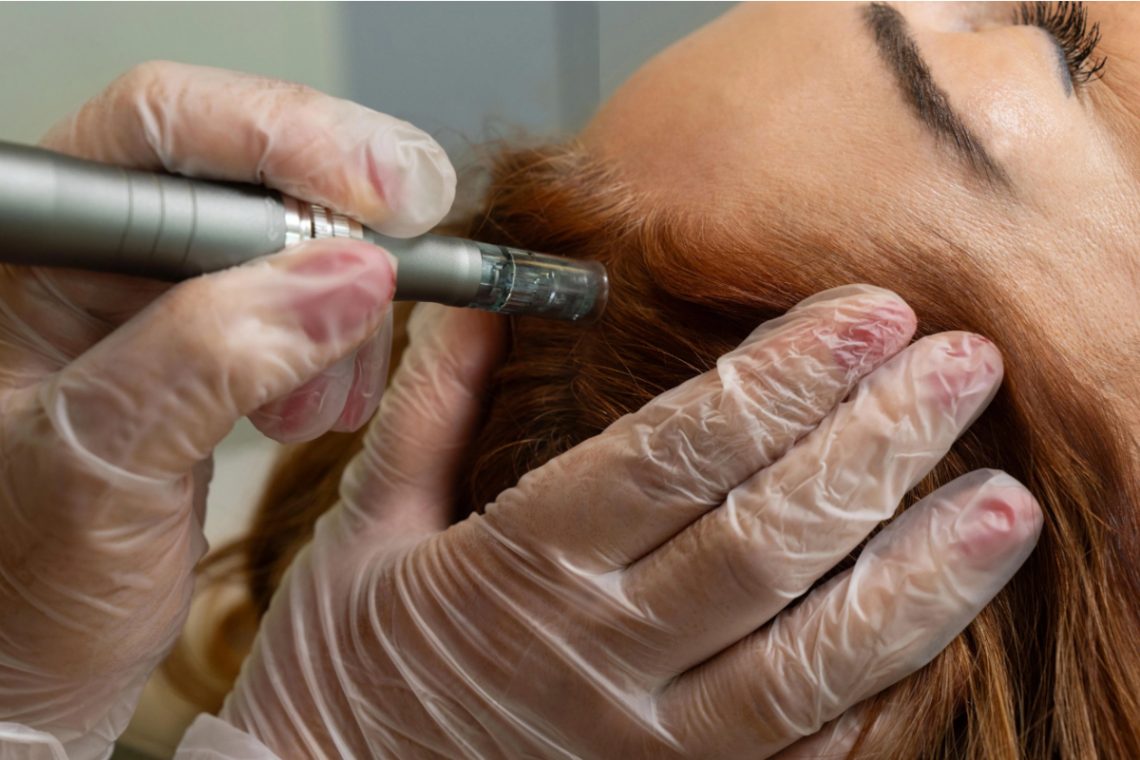
Scalp microneedling works by gently puncturing the skin on your scalp with a device that has tiny, fine needles. These micro-injuries trigger the body’s natural healing response. When the skin begins to repair itself, it increases blood flow and stimulates collagen and elastin production. For the hair follicles, this environment can encourage stronger, healthier growth.
The process is similar to treatments used in skincare for improving skin texture or reducing scars, but applied to the scalp. It’s designed to be minimally invasive and can be performed by professionals or at home using dermarollers or microneedling pens. While the thought of needles may seem intimidating, the procedure is generally safe and tolerable, with only mild discomfort in most cases.
Benefits of Scalp Microneedling
The primary benefit of scalp microneedling is improved hair growth. Boosting blood circulation and increasing nutrient delivery to hair follicles, it helps prevent thinning and can support regrowth in areas affected by hair loss. Some people notice stronger hair strands and a healthier scalp over time, especially when the treatment is paired with growth-promoting serums or oils.
Another benefit is its role in enhancing the effectiveness of topical hair products. Microneedling creates tiny channels in the scalp, allowing serums and treatments to penetrate deeper than they would otherwise. This means the ingredients can work more efficiently to nourish the hair roots.
Additionally, scalp microneedling can help maintain overall scalp health. It may reduce inflammation, unclog hair follicles, and even improve scalp texture. For those who have experienced slow hair growth or scalp dryness, these subtle improvements can make a noticeable difference over several sessions.
What to Expect During the Procedure
During a typical scalp microneedling session, the professional will cleanse your scalp and apply a numbing cream if needed. The device, often a roller or pen, is then passed over the scalp carefully and systematically. Most sessions last around 20 to 30 minutes, depending on the size of the area being treated.
Some people experience mild redness or tenderness afterward, similar to a sunburn feeling. This usually fades within a day or two. It’s common to notice tiny spots of minor bleeding, which is normal and part of the healing process. Patients are often advised to avoid harsh hair treatments for a few days after the session and to keep the scalp clean and moisturized.
For home treatments, smaller dermarollers with shorter needles are used. While these devices are less intense, they can still provide benefits if used correctly and consistently. However, professional guidance ensures optimal results and minimizes the risk of complications.
How Often Should Scalp Microneedling Be Done?
The frequency of scalp microneedling depends on the needle length, hair condition, and individual goals. For professional treatments, sessions are typically spaced four to six weeks apart to allow the scalp to recover fully. Shorter needles used in at-home dermarollers can be used once a week or every other week.
Consistency is key to seeing results. Many individuals report noticeable improvement after three to six sessions, though some may need longer to achieve desired outcomes. It’s also recommended to combine the treatment with supportive hair care practices, such as using gentle shampoos, scalp massages, and nourishing hair products.
Potential Risks and Considerations
While scalp microneedling is generally safe, there are a few precautions to keep in mind. People with scalp infections, eczema, psoriasis, or certain skin conditions should consult a dermatologist before trying the procedure. Improper use of microneedling devices, particularly at home, can lead to irritation, infection, or uneven results.
Mild redness, itching, or sensitivity is common immediately after treatment, but these effects typically subside within a couple of days. Following aftercare instructions, such as avoiding direct sun exposure, harsh chemicals, and vigorous scratching, can help the scalp heal properly and prevent complications.
It’s also worth noting that results can vary based on individual hair type, age, and overall health. Patience and realistic expectations are important, as hair growth improvements occur gradually rather than overnight.
Combining Scalp Microneedling with Other Treatments
Scalp microneedling is often more effective when used alongside other hair care strategies. For example, applying hair growth serums, topical treatments, or nutrient-rich oils immediately after the session can increase absorption and effectiveness. Some people also pair microneedling with low-level laser therapy or professional hair treatments to support thinning areas.
Healthy lifestyle habits, including a balanced diet and stress management, further support hair health. By creating a consistent routine that integrates scalp microneedling and complementary treatments, individuals are more likely to see long-term benefits.
Expert Tips for At-Home Scalp Microneedling
For those opting for at-home scalp microneedling, using the right tools and techniques is essential. Always ensure the device is clean and sanitized before each use. Start with shorter needles to minimize irritation and gradually adjust as your scalp builds tolerance. Apply gentle pressure and avoid aggressive rolling to prevent damage.
After the session, cleanse the scalp and use a lightweight, nourishing serum to support recovery. Limiting hair styling products or harsh chemicals for a day or two helps maintain scalp health and ensures better results. Regularly monitoring your scalp for any unusual reactions or prolonged irritation is also important.
How to Know If Scalp Microneedling is Right for You
Scalp microneedling is suitable for anyone seeking to improve hair thickness, stimulate growth, or maintain a healthy scalp. It may be especially beneficial for people experiencing mild to moderate hair thinning, post-pregnancy hair loss, or age-related changes.
However, those with active scalp infections, open wounds, or severe dermatological conditions should consult a professional before starting any microneedling routine. An individualized assessment ensures safety and helps set realistic expectations for results.
How Long Before You See Results?
Results from scalp microneedling are gradual and depend on the frequency of treatments, scalp condition, and overall hair health. Most people notice subtle improvements in hair texture and scalp health after two to three sessions. Significant changes, such as increased density or noticeable regrowth, typically appear after three to six months.
Patience and consistency are critical. Combining scalp microneedling with a comprehensive hair care routine and healthy lifestyle choices increases the likelihood of achieving lasting results.
Nurturing Your Hair with Scalp Microneedling
Scalp microneedling is more than just a trend—it’s a practical tool for maintaining scalp health and promoting hair growth. With proper technique, realistic expectations, and consistent care, it can support a stronger, healthier mane.
Taking time to learn the procedure, follow aftercare instructions, and combine it with other supportive treatments ensures the best possible outcomes. Whether you’re aiming to address thinning hair or maintain a healthy scalp, scalp microneedling can play an important role in your hair care journey, helping you feel confident and proud of your hair every day.


You May Also Like
What is PRP Therapy For Hair
Protein vs. Moisture Treatments for Your Hair