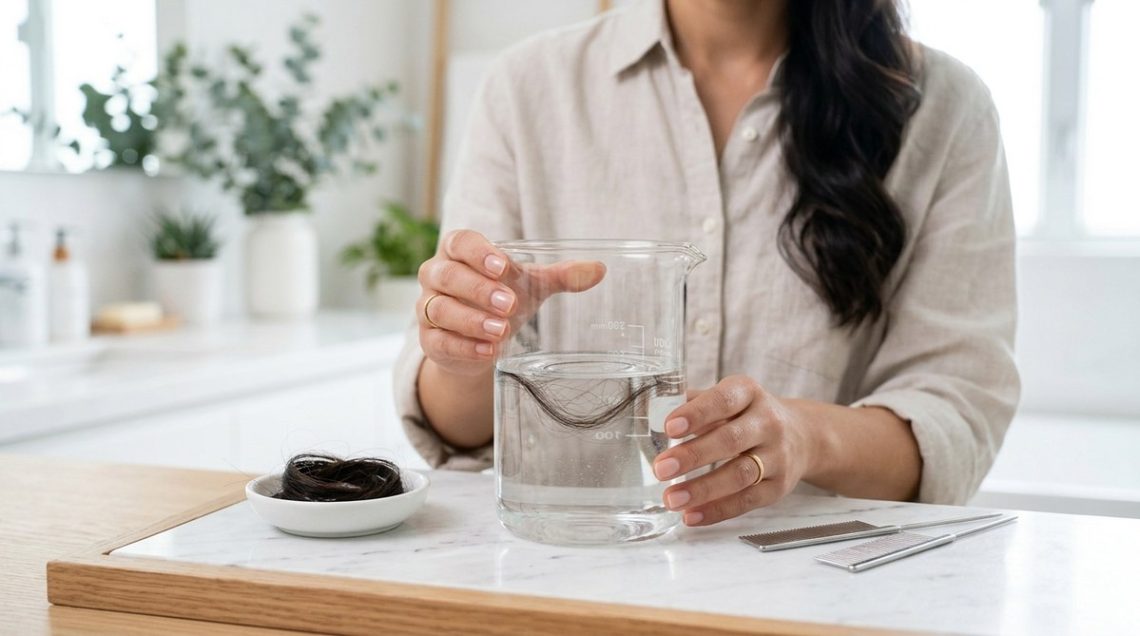
How to Test Hair Porosity at Home
Figuring out your hair porosity can feel like a mystery. If your curls or strands drink up hydration or surface oils in minutes, it can be hard to know what your hair needs. At Toni & Guy Hong Kong, we believe the right porosity knowledge empowers you to tailor washes, conditioners, and styling so your hair stays healthier, shinier, and more manageable. In this guide, you will learn simple, at home porosity tests, how to interpret the results, and practical care routines that work for each porosity level in a busy Hong Kong lifestyle.
What is hair porosity and why it matters
Hair porosity refers to how easily your hair cuticle allows moisture to enter and exit the hair shaft. The cuticle is the outermost layer of each strand, made of tiny overlapping scales. When these scales lie flat and lie close together, moisture moves slowly in and out. When the scales are lifted or damaged, water and products can flow in and out more freely.
Porosity affects:
– How well you absorb conditioning products
– How long moisture lasts between washes
– How your hair responds to heat styling and pin straightening or curling
– How frizz forms and how quickly it dries
Understanding porosity helps you pick the right shampoo, conditioner, leave in products, and styling techniques. It is not a fixed label for life. Your porosity can change with age, climate, heat exposure, chemical processing, and even humidity levels. That means you may want to retest if you notice different hydration or styling results.
Different porosity types
Low porosity hair
Hair cuticles are tightly bound and lie flat. Moisture and products tend to sit on the surface rather than penetrate. This hair type often benefits from lightweight liquids, less frequent washes, and methods that help with absorption.
Medium porosity hair
A healthy balance. Porosity is standard enough that moisture penetrates without sitting on the surface for too long. This type usually holds styles well and responds predictably to routine care.
High porosity hair
The cuticle scales are raised, making it easier for moisture to escape and for fragrances and color to penetrate. Hair can dry quickly, feel porous or frizzy, and be sensitive to humidity. It often benefits from heavier conditioning, sealing oils, and routines that restore barrier function.
How to test hair porosity at home
There are several simple tests you can perform with everyday items. We listed the most reliable ones and how to interpret the results.
1) The glass of water test (float test)
This test helps you gauge how quickly water penetrates your hair when it’s clean.
Steps:
1. Use a gentle clarifying shampoo to remove product buildup (optional) and rinse well.
2. Gently towel dry and let your hair air dry to a mat damp state, not dripping wet.
3. Fill a clear glass with room temperature water.
4. Place a single strand of clean hair into the glass.
5. Watch for 2 to 5 minutes.
What you’re looking for:
– Sinks quickly to the bottom within a minute or two: high porosity.
– Sinks slowly or floats in the middle for several minutes: medium porosity.
– Stays at the top for several minutes before sinking: low porosity.
What this test tells you
– How fast water moves into and out of the hair.
– A quick snapshot of how your hair handles moisture in real time.
Limitations
– This test uses one strand and depends on cleanliness and density of the strand.
– It can be influenced by room temperature and how recently you washed your hair.
2) The strand test (absorption & feel)
This test focuses on how a single strand absorbs moisture and how it feels as it dries.
Steps:
1. After washing and conditioning as you normally would, take a clean strand.
2. Hold a small amount of water or leave in conditioner on the strand for 2 minutes.
3. Observe how quickly the product is absorbed and whether the strand feels slippery or dry.
What to notice:
– If the strand readily absorbs water but feels dry within minutes, you may have low porosity hair that needs gentle heat to help absorption.
– If the strand drinks in moisture slowly but holds it for a long time, you likely have medium porosity.
– If the strand drinks up moisture quickly and still feels damp or frizzy after a short time, you may have high porosity.
3) The spray bottle test (moisture penetration)
This helps you understand how readily water or leave in conditioner penetrates your hair.
Steps:
1. Fill a spray bottle with plain water.
2. Spray a small amount on a clean strand that you have washed and patted dry.
3. Note how quickly the water penetrates and how the strand feels as it dries.
What you’re looking for:
– Water beads and stays on the surface: low porosity.
– Water soaks in gradually and the strand manages moisture while still drying evenly: medium porosity.
– Water penetrates rapidly and the strand dries quickly or feels frizzy as it dries: high porosity.
4) The moisture retention test (hydration duration)
This test helps you understand how long your hair holds moisture after washing and conditioning.
Steps:
1. Wash with a gentle cleanser and condition as usual.
2. Apply a lightweight leave in product if you normally do.
3. Observe your hair’s moisture level over several hours to a day.
What to look for:
– Hair stays hydrated for a long period with minimal additional product: favorable low porosity or well balanced medium porosity.
– Hair loses moisture quickly and requires more frequent application of products or sealing oils: high porosity.
Tips to improve accuracy
– Use clean hair and hands for each test.
– Perform tests on separate days to average out daily humidity and environmental differences.
– Compare results to your usual routine to see how porosity interacts with products.
Step by step: conduct at home porosity testing
- Wash and rinse hair with a mild shampoo to remove residues. Do not condition yet if you want to test porosity in the most natural state.
- For the glass of water test, let a strand dry to a damp state before placing into water.
- Choose the test method you prefer and follow the steps above.
- Document results with quick notes about timing and feel. Visual reminders can help you compare across sessions.
- Compare results across tests. If the tests yield different porosity indicators, it may indicate a hair that sits between categories or one that changes with humidity or recent chemical exposure.
- If you color treated, processed, or heat styled hair recently, you may want to wait a week or two before testing again to avoid skewed results.
Interpreting your results and adjusting routines
Each porosity type benefits from different routines. Use the test results to choose products and application techniques that enhance moisture retention and manage perceived dryness or frizz.
For low porosity hair
- Use lightweight water based cleansers and conditioners that won’t weigh hair down.
- Apply heat or clarifying treatments occasionally to lift the cuticle and improve absorption.
- Use leave in conditioners or humectants like glycerin in small amounts to attract moisture.
- Apply products in a “lather and rinse” method with short contact times to prevent buildup.
For medium porosity hair
- This is the most forgiving category. Maintain a balanced routine with regular conditioning, light oils, and occasional deep conditioning.
- Consider a long lasting leave in conditioner to preserve moisture.
- Use gentle heat when needed to support product penetration without overprocessing.
For high porosity hair
- Focus on sealing moisture with heavier conditioners, emollients, and oils to prevent rapid moisture loss.
- Use heat to help products penetrate and to help the hair lay its cuticle flat.
- Avoid overly protein heavy masks that can leave hair brittle if used too frequently. Balance protein with moisture.
Troubleshooting porosity shifts
– If your hair feels dry after a wash yet becomes oily during the day, your porosity may be shifting with humidity or heat exposure.
– Frequent chemical services can alter porosity, so re test after six to eight weeks or after a chemical treatment.
Porosity friendly routine and product ideas
A well rounded routine for each porosity type helps you get the best out of your hair.
- Cleansing: choose sulfate free shampoos that suit your porosity. For low porosity hair, a gentle clarifying once every two weeks can help. For high porosity hair, a gentle cleanse to remove buildup is beneficial.
- Conditioning: medium and high porosity hairs often benefit from deeper conditioners or masks with proteins and humectants. Low porosity hair benefits from lighter, slip styling conditioners that won’t sit on the surface.
- Leave in: light water based formulas for low porosity; medium weight leave in for medium; heavier or creamy formulations for high porosity to seal moisture.
- Oils and sealants: use lightweight oils for low porosity (grapeseed, argan) and heavier oils (castor, avocado) for high porosity.
- Humidity protection: for Hong Kong humidity, consider anti humidity styling gels and setting sprays that help seal in moisture without weighing hair down.
Product ideas (typical categories)
– Clarifying shampoos (as needed)
– Lightweight conditioners or light detangling sprays
– Deep conditioners or masks containing humectants and ceramides
– Leave in conditioners with a moderate hold
– Hair oils and sealants with appropriate thickness
– Heat protective sprays and styling aids designed for your porosity
Styling tips
– Use a light touch when applying products, avoiding heavy layering that can weigh down low porosity hair.
– Consider using a micro fiber towel or a t shirt to dry hair and reduce frizz instead of a rough cotton towel.
– If your hair tends to be frizzy, consider finishing with a cold rinse to close the cuticle and reduce friction.
Climate and lifestyle considerations for Hong Kong
Hong Kong has a varied climate with high humidity and occasional dry spells. This environment can make high porosity hair feel frizzy in humid months and cause your hair to lose moisture quickly in dry months. Hong Kong residents also deal with city pollution, UV exposure, and heat from summer humidity.
- Humidity management: anti humidity products help lock moisture. Consider a sealing step using a hair oil to minimize moisture loss during humid days.
- Heat styling: outdoor heat and the Manila humidity can contribute to frizz; try heat protection products and consider reducing heat sessions during peak humidity times.
- Water quality: mineral content in water can affect how well your hair responds to treatments. A final rinse with filtered water can help if you notice heavy mineral residues.
Tips for HK lifestyle
– Prep your hair the night before to reduce morning styling efforts: apply a lightweight leave in conditioner and a small amount of sealing oil.
– When you know it will be humid, avoid heavy products that can create build up in your hair which needs more frequent cleansing.
– Maintain a balanced schedule of washing and conditioning to prevent dryness or greasiness from city air, humidity, and heat.
Common myths about porosity
- Myth 1: You cannot change porosity. Reality: while your natural porosity has a baseline, factors such as aging, environmental exposure, chemical processing, and consistent care can influence how your hair behaves.
- Myth 2: High porosity cannot be managed. Reality: you can improve moisture retention by sealing with heavier oils and applying conditioning masks that restore barrier function.
- Myth 3: If your hair sinks quickly in water, you have high porosity. Reality: the water test depends on hair cleanliness and other factors; always test multiple methods to confirm.
FAQ
- How often should I test my hair porosity?
-
Porosity can change with your season, weather, and hair treatments. Test every 2 to 3 months or after a chemical service to ensure your routine stays aligned with your needs.
-
Can I have multiple porosity types on different parts of my hair?
-
Yes, hair on the ends is often more porous than the roots due to environmental exposure and styling. Consider segmenting your routine with products targeting the porosity of the most sensitive areas.
-
Do color treatments affect porosity?
-
Yes, chemical processing can raise porosity and alter how your hair responds to moisture. Re test after a coloring or chemical service to re calibrate your routine.
-
Which routine changes should I adopt first if I suspect high porosity?
-
Start with stronger sealing and moisture retention. Use a heavy conditioner or mask and add a sealing oil for the ends. Introduce heat protection and lighter cleansers.
-
Does porosity affect scalp health?
- Porosity mainly concerns the hair shaft, not the scalp. However, scalp health supports hair overall and appropriate conditioning can help reduce breakage at the ends.
Practical maintenance and lifestyle tips
- Daily or weekly habits
- Use a microfiber towel or old cotton T shirt to dry hair gently.
- Apply conditioner evenly, focusing on mid lengths and ends.
-
Avoid over washing, especially if your hair is low porosity, to maintain natural oils.
-
On wash day
- Rinse with lukewarm water to help the cuticle relax before applying conditioner.
-
Use a color safe conditioner if you color your hair to preserve pigment and strengthen the shaft.
-
On styling days
- Let hair air dry as much as possible or use a low heat setting with thermal protectants.
- Secure your hair with gentle clips and avoid tight hairstyles that can cause tension and breakage.
-
Use anti frizz products that help to seal the hair shaft without weighing hair down.
-
Weekly or bi-weekly masks
-
Low porosity hair responds better to lighter masks, while high porosity hair can tolerate heavier, hydrating masks. Balance protein and moisture to avoid dryness or damage.
-
Scalp care
- Use a gentle scalp exfoliation occasionally to remove buildup, but avoid harsh mechanical scrubs that could create micro abrasions.
Final thoughts
Understanding your hair porosity is a practical step toward a more efficient and enjoyable hair care routine. The at home tests described here are simple, inexpensive, and yield valuable insights that can shape product selection and technique. Whether you are working with a low, medium or high porosity, there is a pathway to healthier hair with consistent care and mindful product choices.
At Toni & Guy Hong Kong, we are here to help you tailor your routine to match your porosity profile. Explore our guides on brush types, effective hair masks, and the latest insights on micro technologies and scalp care that fit the vibrant Hong Kong lifestyle. If you are curious about how to pair brushes with porosity or want tutorials on porosity friendly styling, check our site for more tips and product recommendations designed for local concerns and climate.
Ready to put your tests into action? Here is a quick checklist you can keep handy:
- Gather a few simple tools: clean strand, clear glass, water spray bottle, timer.
- Perform at least two different tests to compare results.
- Note your porosity classification and map out your routine changes.
- Try one slight routine adjustment at a time to gauge impact.
- Re test every few months or after major changes.
If you want more personalized guidance, visit Toni & Guy Hong Kong’s resource library to access in depth hair care guides, product recommendations, and professional tips from our stylists. Whether you are a fan of the latest brush innovations, a deep conditioner enthusiast, or you want to explore advanced scalp therapies, our site is your go to source for a modern hair care journey in Hong Kong.
Remember, hair care is not one size fits all. Your porosity is a powerful clue to unlock healthier, happier hair. Use these at home tests, interpret the results, and translate that knowledge into a routine that truly works for you.


You May Also Like
Why Hair Turns Grey and What Affects It
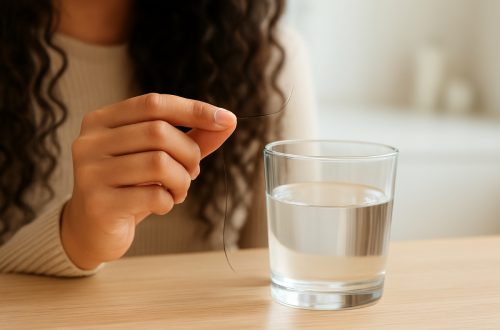
How to Test Hair Porosity at Home